South Africa paints phone numbers on everything: shopfronts, bakkies, boundary
walls, farm gates and for-sale boards. The first three digits of a landline
number are an area code, and an area code is a place. Better still, the code is
blocked by region, so the second digit alone tells you which corner of the
country you are in before you have read the third. This page is the whole plan,
and the game drills it.
- The clue
- Landline area codes
- Where it works
- Shopfronts, bakkies, farm signs
- In the game
- 36 codes
What you are looking at
A South African landline number is ten digits written out in full, and it always
carries its leading zero: 021 123 4567. The first three digits are the area
code, the remaining seven are the subscriber number. In international form the
zero is dropped and the country code takes its place, so the same number becomes
+27 21 123 4567, which is what you see on anything aimed at tourists.
The zero is not part of the code itself, it is the trunk prefix, but South
Africa has dialled it on every call since 2007, local ones included. That is why
signs print it and why it is worth reading the code as the three characters you
actually see rather than the two underneath.
How to read one
- Check the second digit. A landline area code starts
01 through 05,
and that pair is the region. This is the piece worth learning first, because
it is nearly free and it is right far more often than a guess at the map.
- Read the third digit. That narrows the region to a city or a stretch of
countryside, and it is the part this game drills until a full code is a pin
rather than a direction.
- Stop if it starts
06, 07 or 08. Those are mobile and non-geographic
ranges, and they tell you nothing about location. A number beginning 08 in
particular is a toll-free, share-call or voice-over-IP line that a national
chain will print on a sign in every province.
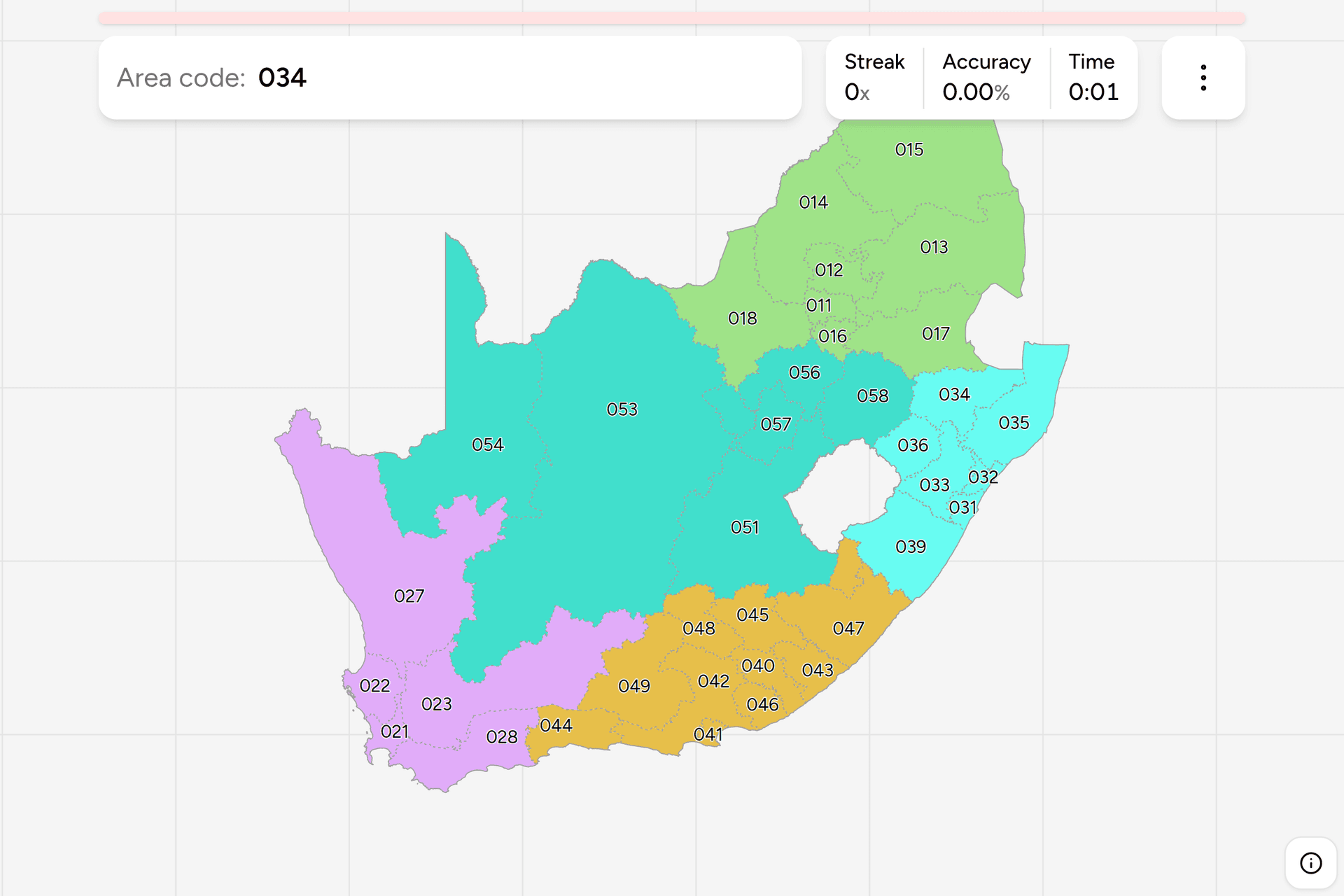
The blocks run roughly like this: 01x across the interior north, from the
Gauteng cities out to Limpopo, Mpumalanga and the North West; 02x through
the Western Cape and up the dry Atlantic coast; 03x across KwaZulu-Natal;
04x through the Eastern Cape and westwards along the Garden Route; and
05x over the Free State and the Northern Cape. The map in the game is
coloured the same way, so the five blocks are visible while you play.
Two failure modes are worth knowing. The blocks follow the old telephone regions
rather than today's provinces, so a code can sit in a province its block does
not suggest, and the boundaries between codes run along exchange catchments
rather than along anything drawn on a map. Both of those are why the game is
worth playing rather than reasoning out from a provincial map.
Every code, by block
- 01x, Gauteng and the north8 codes
- 011, 012, 013, 014, 015, 016, 017, 018
- 02x, the Western Cape and Namaqualand5 codes
- 021, 022, 023, 027, 028
- 03x, KwaZulu-Natal7 codes
- 031, 032, 033, 034, 035, 036, 039
- 04x, the Eastern Cape and the Garden Route10 codes
- 040, 041, 042, 043, 044, 045, 046, 047, 048, 049
- 05x, the Free State and the Northern Cape6 codes
- 051, 053, 054, 056, 057, 058
Each block can be played on its own from the game's start dialog, which is the
sane way in: one block at a time, until the second digit is automatic and the
third is recognition.
Worked examples
021The one you will see mostCape Town and the winelands around it. Together with Johannesburg and Durban
this is one of the three codes that turn up far more often than their share of
the map, because that is where the shopfronts are. Learning the three
metropolitan codes first is most of the value in the whole plan.
044Where the block rule bendsThe Garden Route, around George and Knysna. It sits in the Western Cape, so a
reading based on province would put it in the 02x block, and it is in 04x
instead: the numbering follows the old telephone regions along the coast
rather than the provincial line. This is the code most likely to catch you out
once the block pattern feels solid.
053The biggest target on the mapKimberley, and with it most of the Northern Cape and the western edge of the
North West. It covers more ground than any other code in the plan and almost
none of the population, which makes it a good default guess when a number
turns up somewhere empty and flat.
Frequently asked questions
How many digits is a South African phone number?
Ten as it is written and dialled inside the country: a three digit area code beginning with zero, then a seven digit subscriber number. Internationally the leading zero is dropped and replaced by the country code 27, which makes it eleven digits including the plus.
Do you have to dial the area code in South Africa?
Yes. Ten digit dialling became compulsory in 2007, so the area code is used even when calling a number in the same town. That is the reason the full code appears on almost every printed or painted number in the country.
How do you tell a South African landline from a mobile number?
By the first two digits. Landline area codes start 01 through 05 and identify a place. Mobile numbers start 06, 07 or 08, and the 08 range also holds toll-free, share-call and voice-over-IP numbers. None of those tell you where anything is.
What is the 010 area code in South Africa?
An overlay code, brought in when the Gauteng numbers began running short. It shares ground with a code that was already there rather than covering any of its own, so this game leaves it out for the same reason it leaves out the mobile ranges: there would be no separate region to click.
Does the area code tell you the province?
Close enough to be useful, but not exactly. The blocks were drawn around telephone regions that predate the current provinces, so most codes sit tidily inside one province while a few straddle a border or land in a neighbouring one. The Garden Route codes are the well known example: Western Cape ground on an Eastern Cape block.
Where do you see phone numbers in South African Street View?
Painted on shopfronts and workshop walls, on the doors of bakkies and delivery vans, on estate agent boards and on the farm signs at gate entrances. Rural signage carries them as often as city signage does, which makes this one of the few readable clues that works in the empty parts of the country.
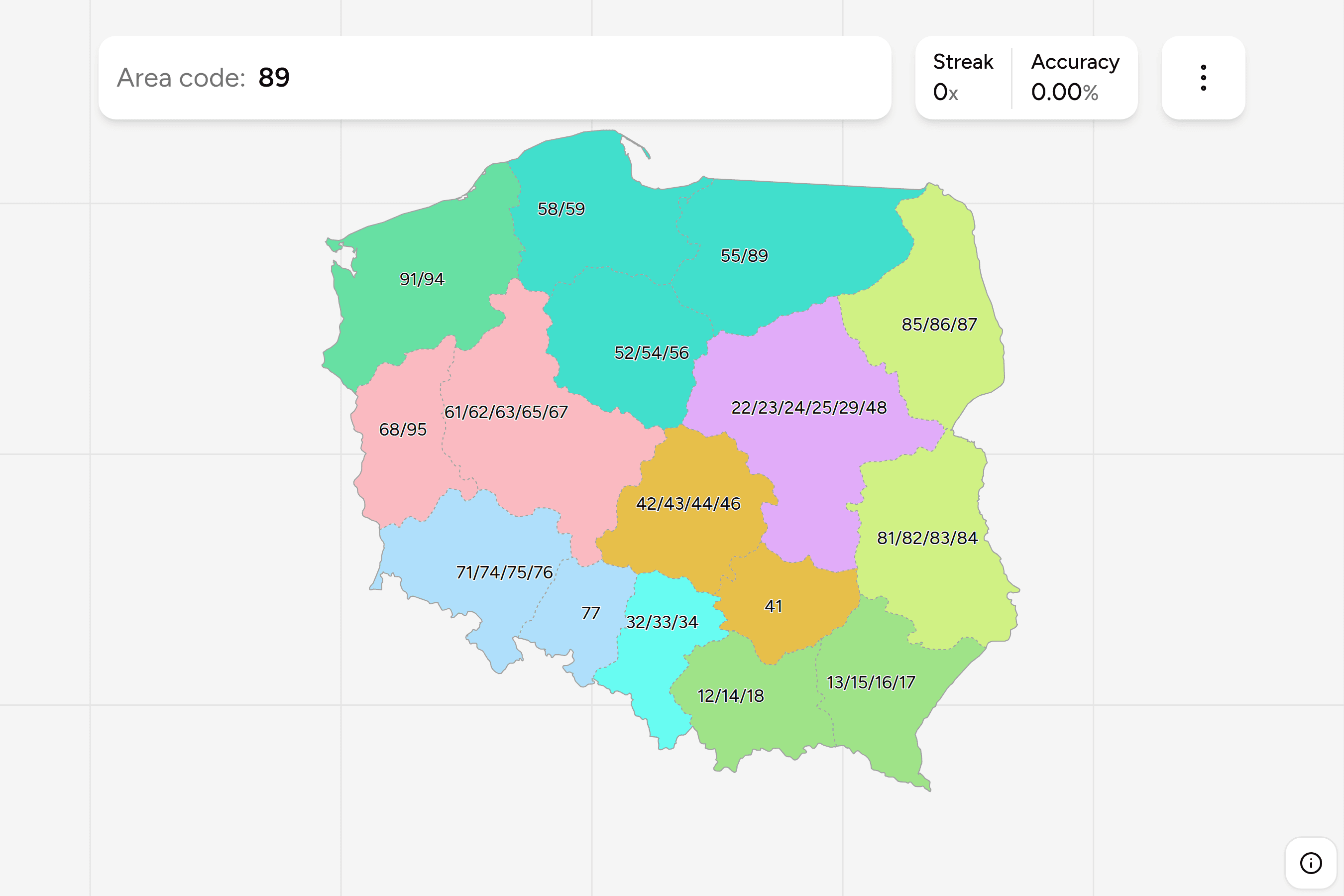
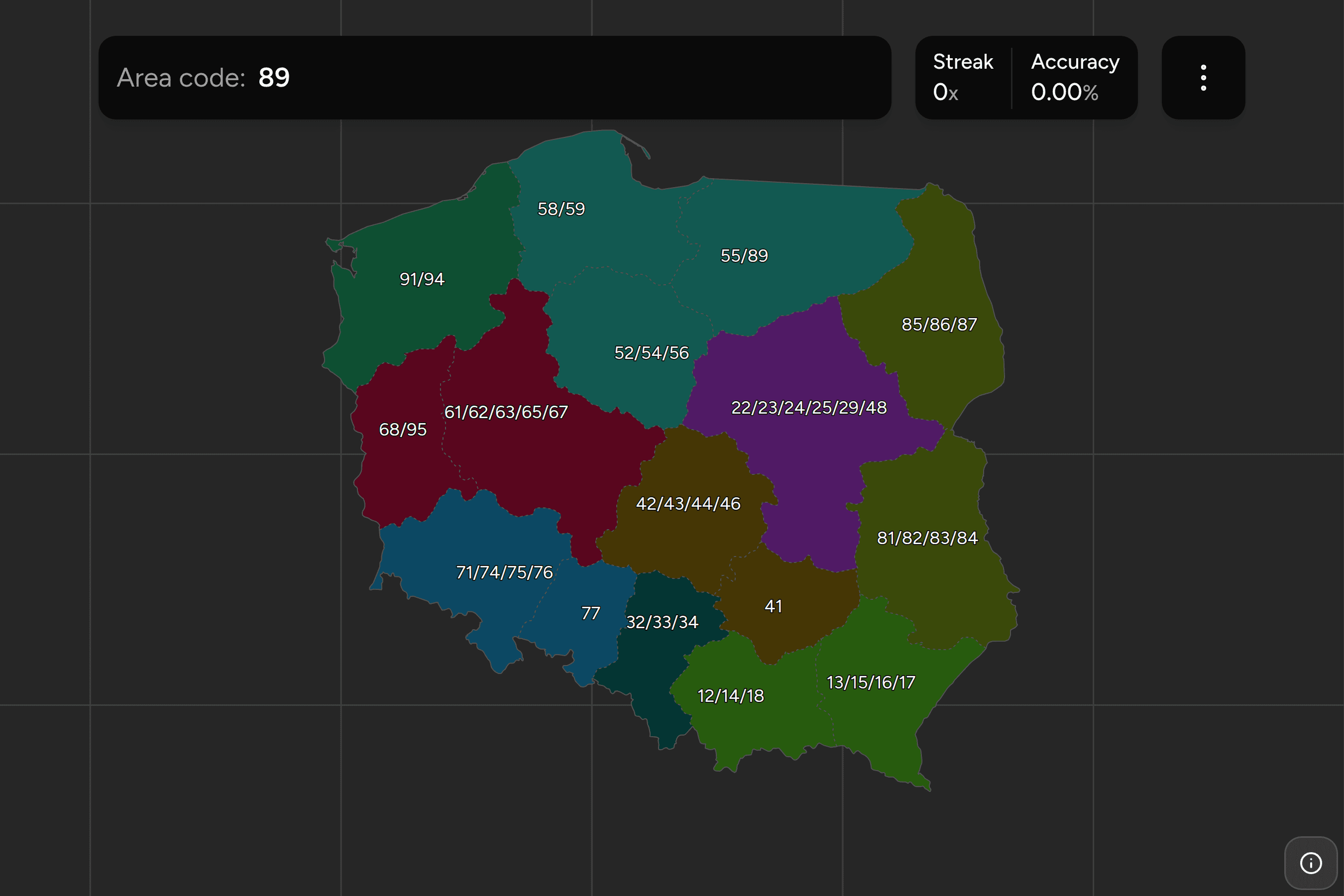
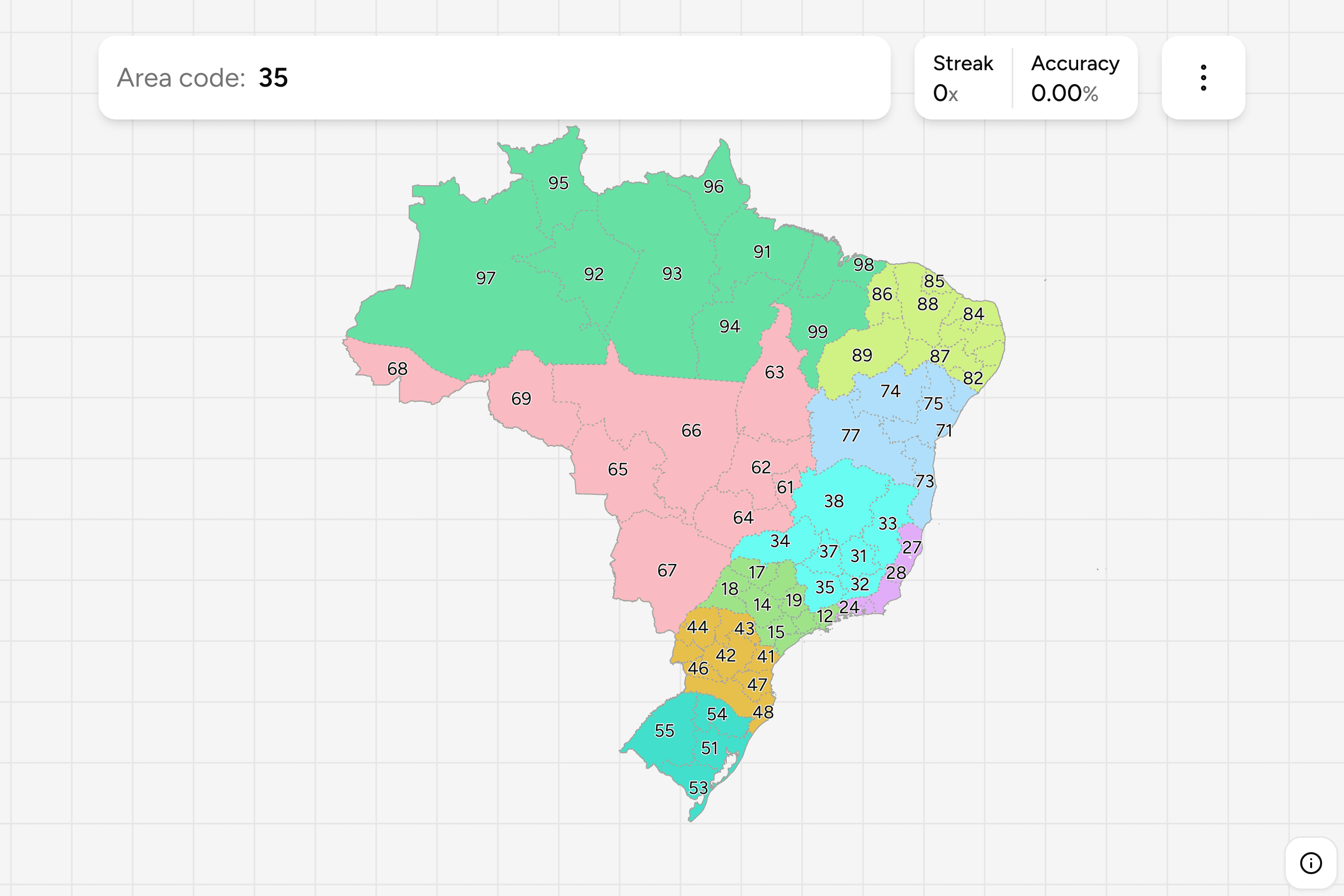
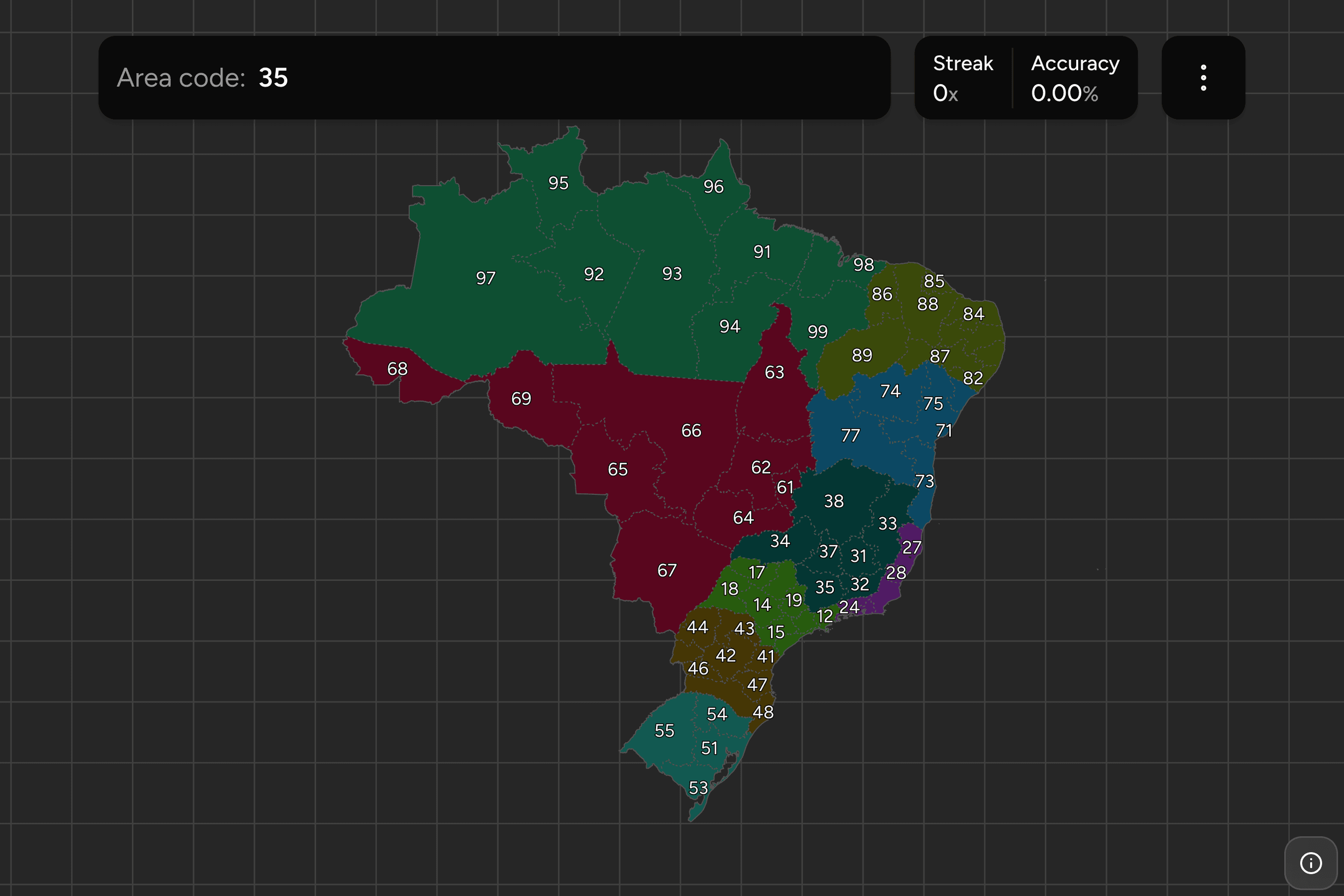
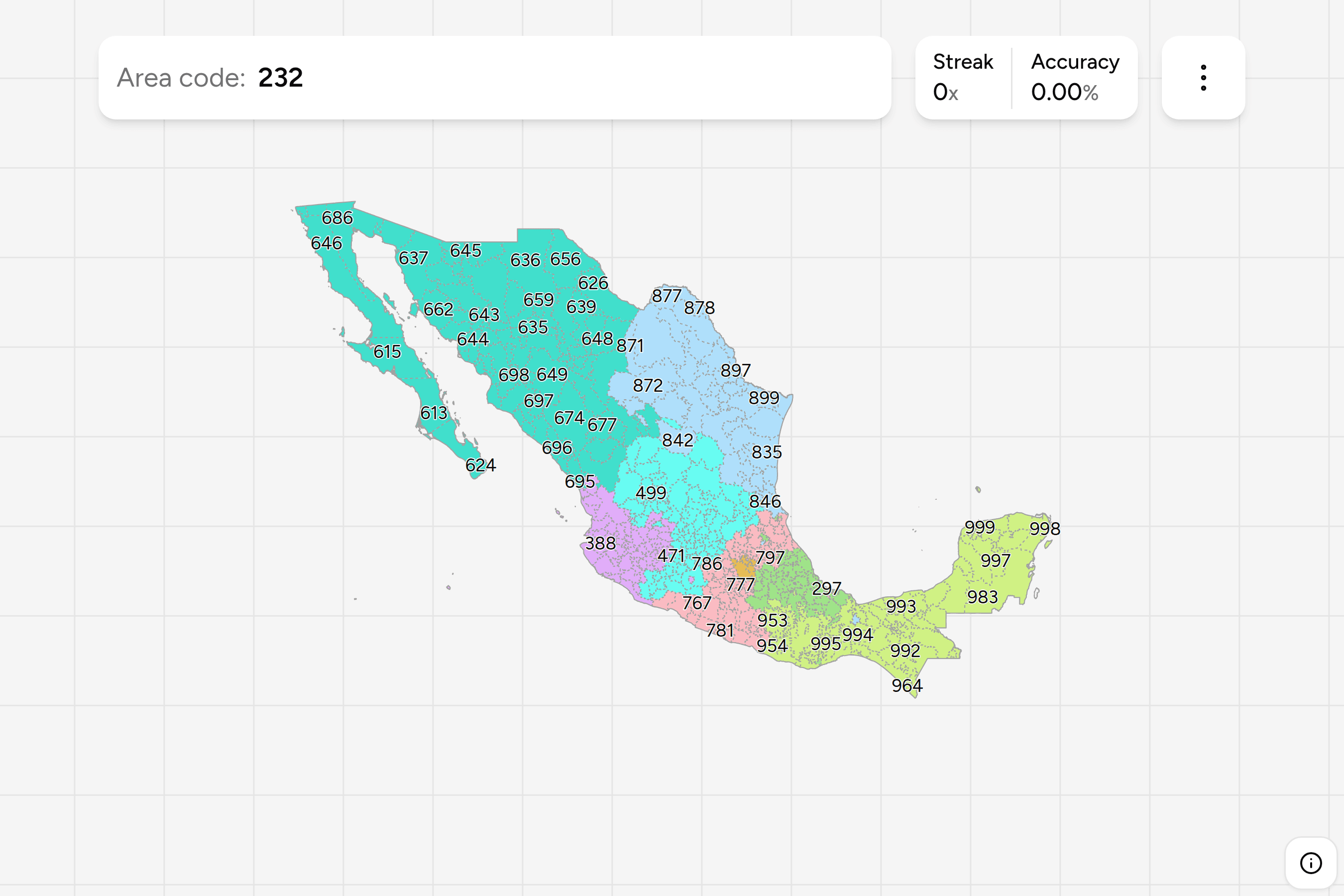
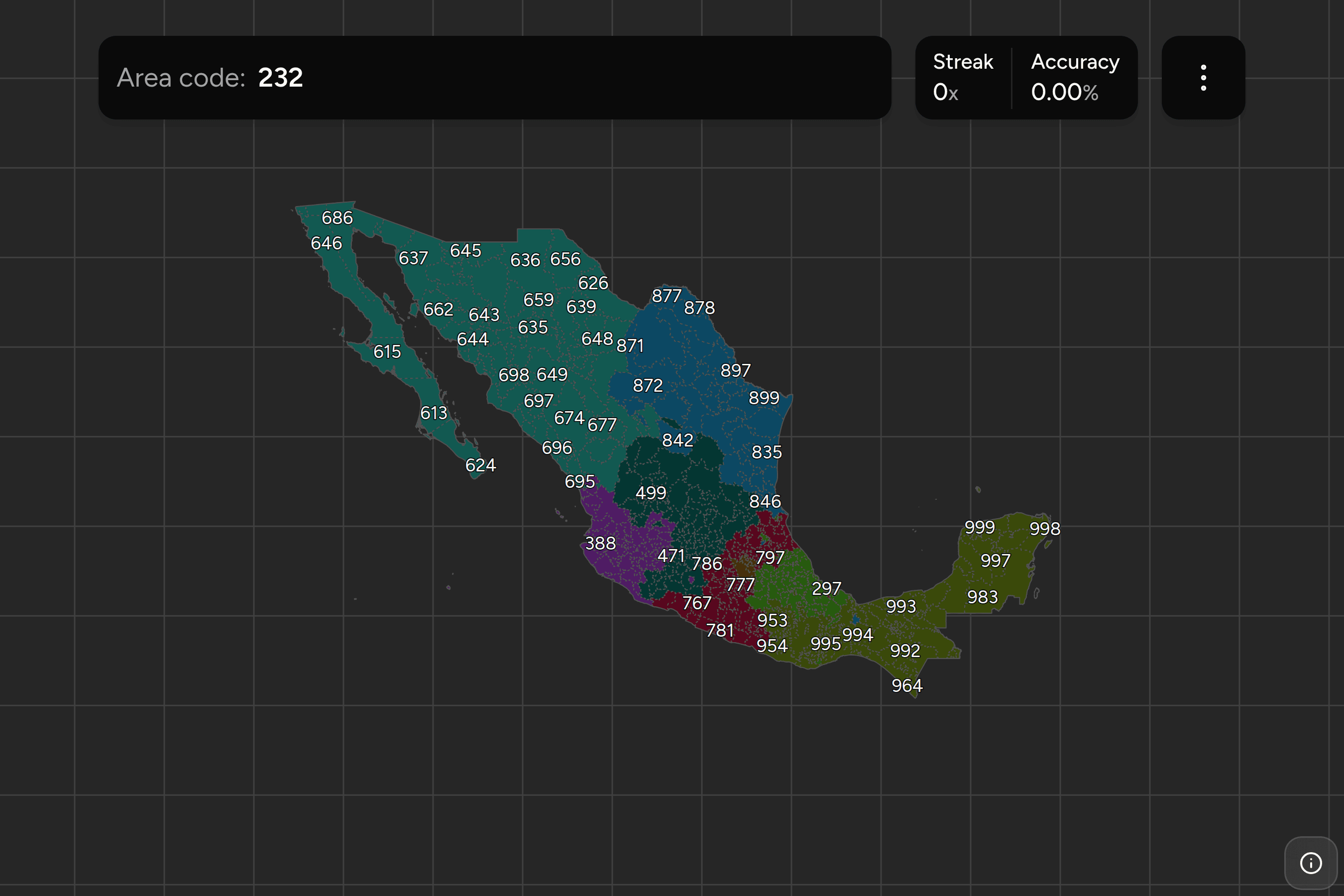
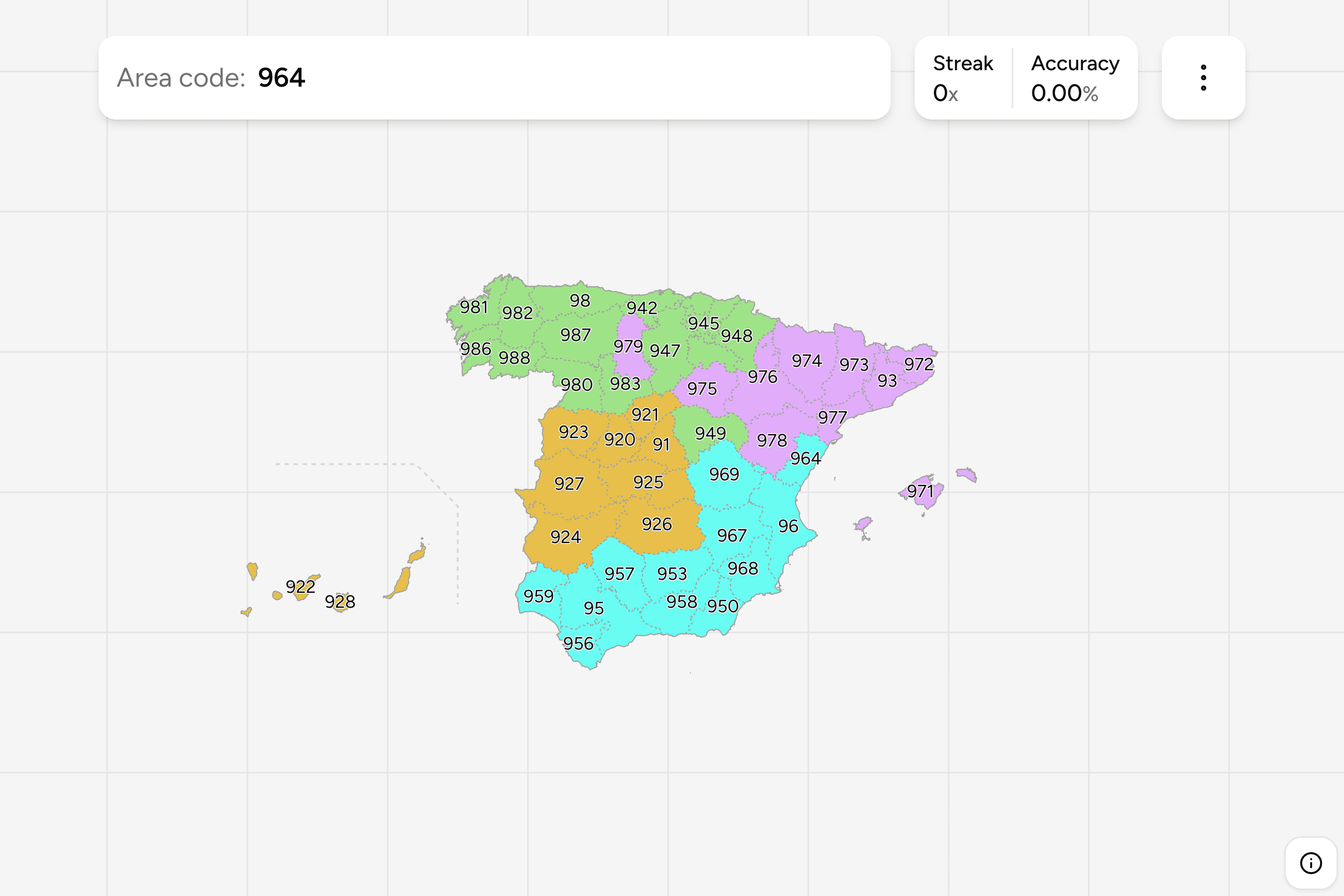
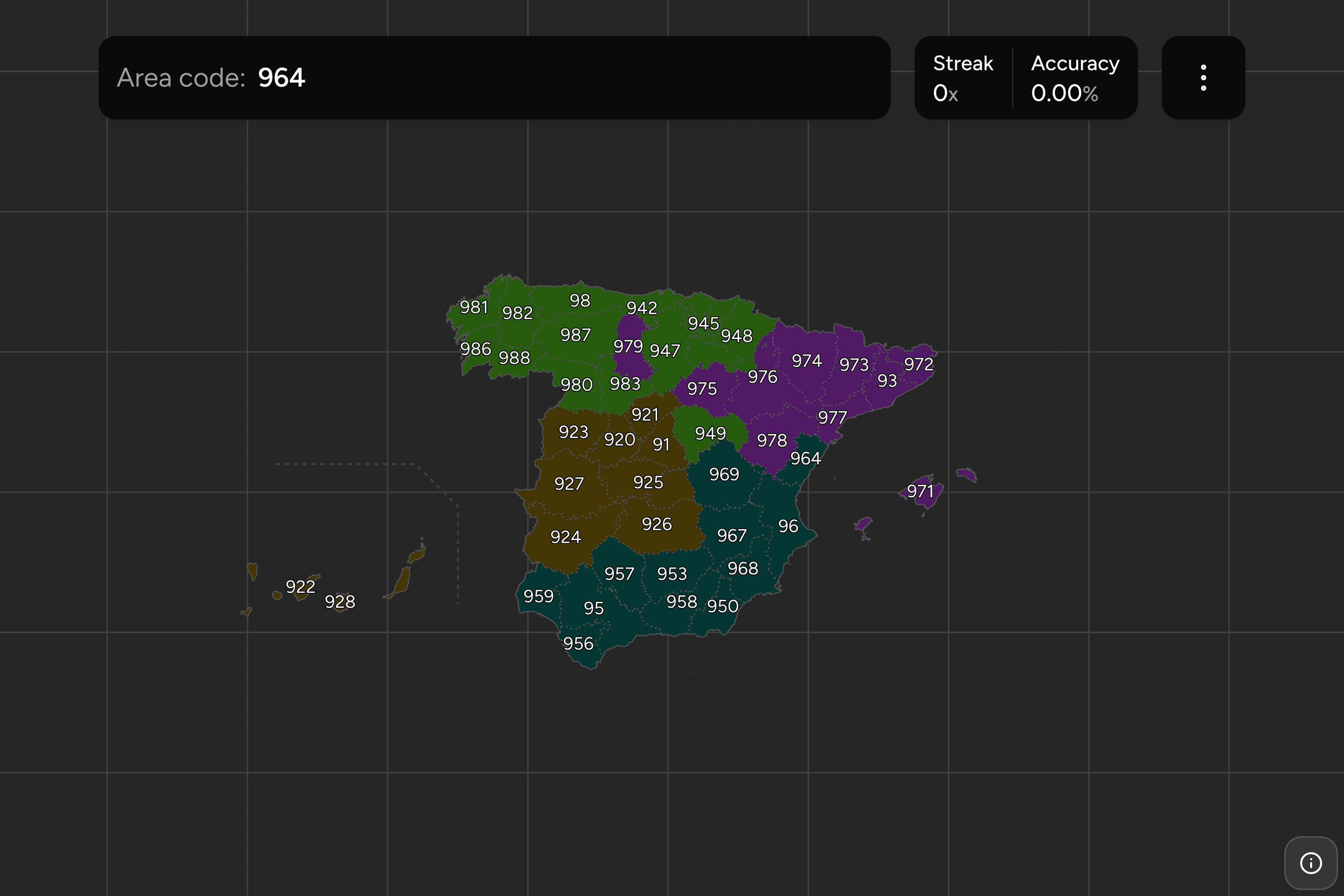
If this is your meta, the Brazil,
Mexico and Spain codes are
built the same way, and Poland is the other plan whose
leading digits sweep across the country in blocks.
Sources